 Tahanima Chowdhury
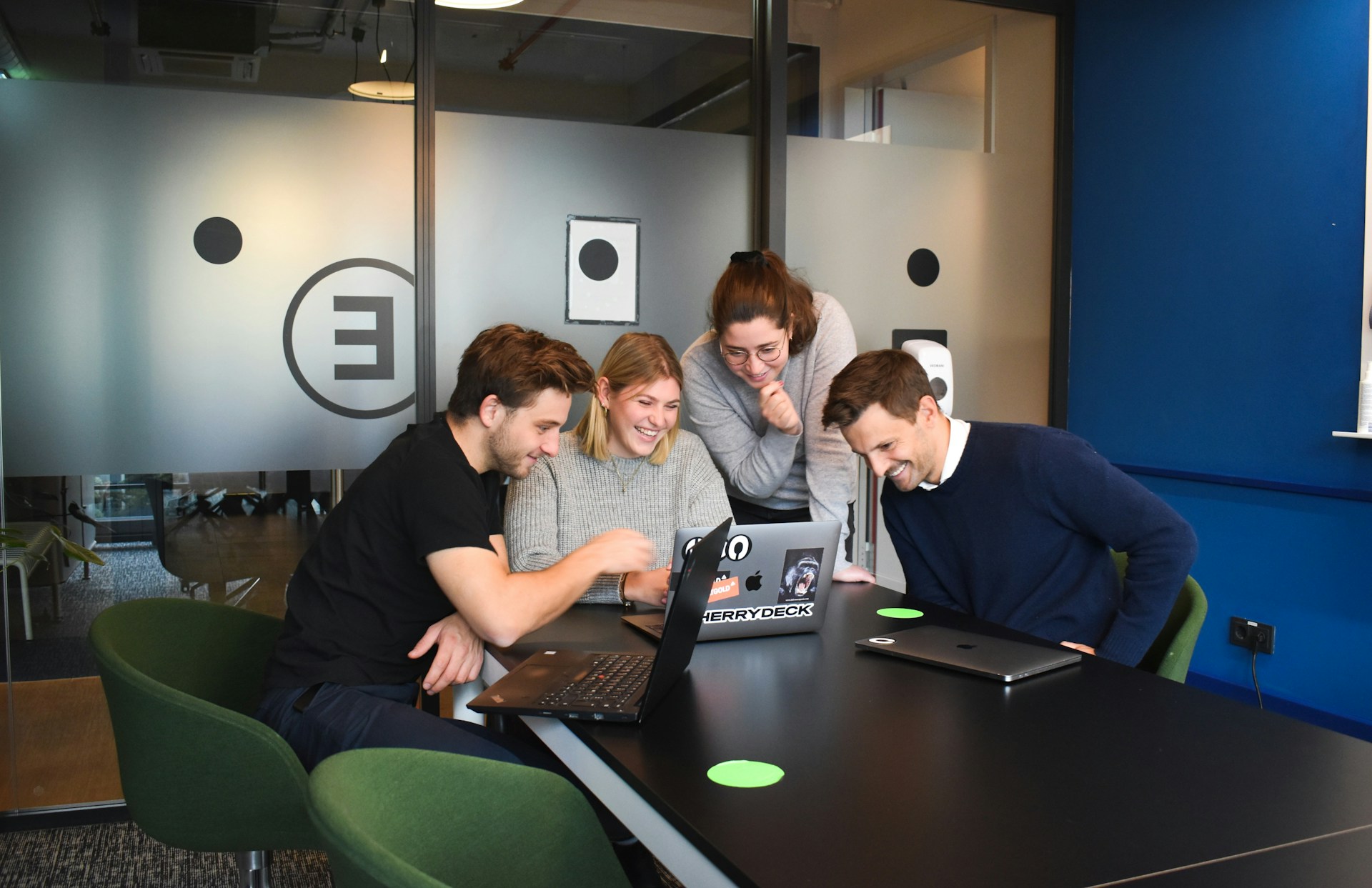
Currently, the QA team I work with at Therap consists of seven members, including myself. I am the most senior member, alongside two other senior QAs, while the remaining four are junior engineers with less than one year of experience.
Within our team, we focus on two key areas of growth for junior QA members: strengthening their domain knowledge and understanding of Therap’s workflows, communication standards, and professional etiquette, as well as enhancing their technical skills.
To support this development, we follow several structured practices:
1. Supervisor or Mentor for Each Testing Task
At Therap, every testing task is assigned to two testers to ensure thorough coverage. Within our team, we always pair a senior QA member with junior members to provide mentorship throughout the task lifecycle.
The senior QA oversees the end-to-end execution, helps unblock issues, and guides juniors on test coverage, best practices, and required formalities. At the same time, we ensure that juniors are not micromanaged and are given full ownership of their work.
In many cases, junior QA members are also given opportunities to mentor other juniors, allowing them to gradually develop leadership and mentoring skills.
2. Weekly QA-Focused Face-to-Face Meetings
We conduct a weekly QA-only meeting where team members can discuss anything relevant to their work. This includes sharing challenges, aligning on processes, and improving collaboration.
Senior members also use this platform to communicate important decisions and reinforce expected professional behaviors and standards across the team.
3. Early Exposure to Test Automation
Our team works on both manual and automated testing. We actively involve junior QA members in automation tasks early in their journey—typically after they complete around six months in the team.
Our tech stack includes Java, Playwright, and REST Assured. We provide structured onboarding into automation, starting with small, manageable tasks to help them gradually become comfortable with the codebase and framework.
4. Monthly Technical Sessions
We organize monthly technical knowledge-sharing sessions covering a wide range of topics such as AI in testing, accessibility testing, test automation with Appium, security topics like XSS and CSRF, and testing in microservices-based architectures.
Each session is assigned to different QA members, who prepare during working hours and present to the team. These sessions are recorded for future reference, allowing continuous learning across the team.
5. Monthly Programming Contests
To further strengthen programming skills—especially since QA engineers contribute to automation—we conduct monthly programming contests using the Virtual Judge platform.
Beyond skill development, these contests also serve as engaging and collaborative team-building activities.
Final Thoughts
Building a strong QA team is not just about assigning testing tasks—it is about continuously investing in people. At Therap, our approach is centered on structured mentorship, open communication, early exposure to automation, and consistent learning opportunities.
By combining hands-on guidance with collaborative learning activities, we ensure that junior QA members grow into confident, capable professionals who can take ownership of their work and contribute effectively to both manual and automated testing efforts. Over time, this culture of mentorship and continuous improvement strengthens not only individual team members but the overall quality and efficiency of our QA process.
 What Bangladeshi Tech Companies Are Paying Employees in 2026
 >
>